

When the desire to prove your potential becomes a brand
There are stories that start with great planning. Others are born of restlessness, of the will to do different and, above all, of the desire to show the world that we are able to go beyond what they expect of us. The story of Analogic belongs to the second category.

Automatically translated from the original.
The brand came about five years ago, after countless attempts to create something different within Second Life. Behind the creation of the store there was a very personal motivation: the desire to shine, to show that there was much more ability and creativity than the judgments of others made it seem. When observing the work of large shopkeepers and already consolidated brands, Analogic's creator ( Jessica Azaleia) saw incredible products, but also realized that she could reach that level — and perhaps even overcome it.
The beginning, however, was far from easy.
As with many entrepreneurs, there was initially the expectation that the results would arrive quickly. The idea that it would be enough to create a good store to start making a lot of money the next day soon gave way to the reality of a competitive market, which requires dedication, learning and, above all, adaptability.
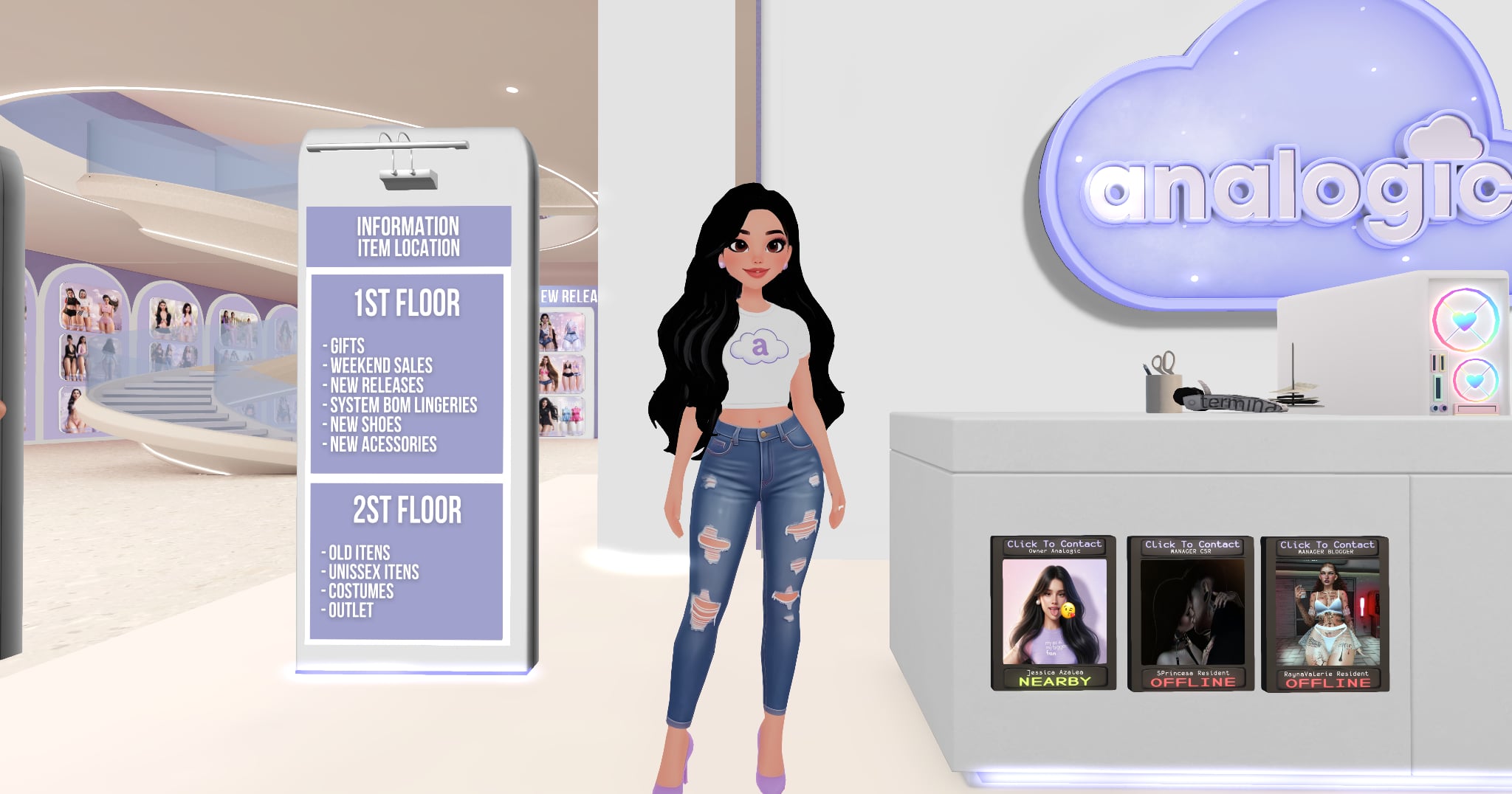
It was necessary to study. Study the taste of customers, understand trends, seek relevant events, work colors, visual identity and product presentation. Each detail has been thought of as part of a strategy to make the Analogy recognizable and, mainly, different.
This search for self-identity has become one of the pillars of the brand.
Throughout this trajectory, there were also moments of frustration. There were situations where the desire to give up appeared, especially in the face of attempts to harm or discredit the work of the store. Staying firm at those times was perhaps as important as learning to create a good product. After all, building a brand does not just mean developing something beautiful; it also means having persistence to continue when the results are not yet what is expected.
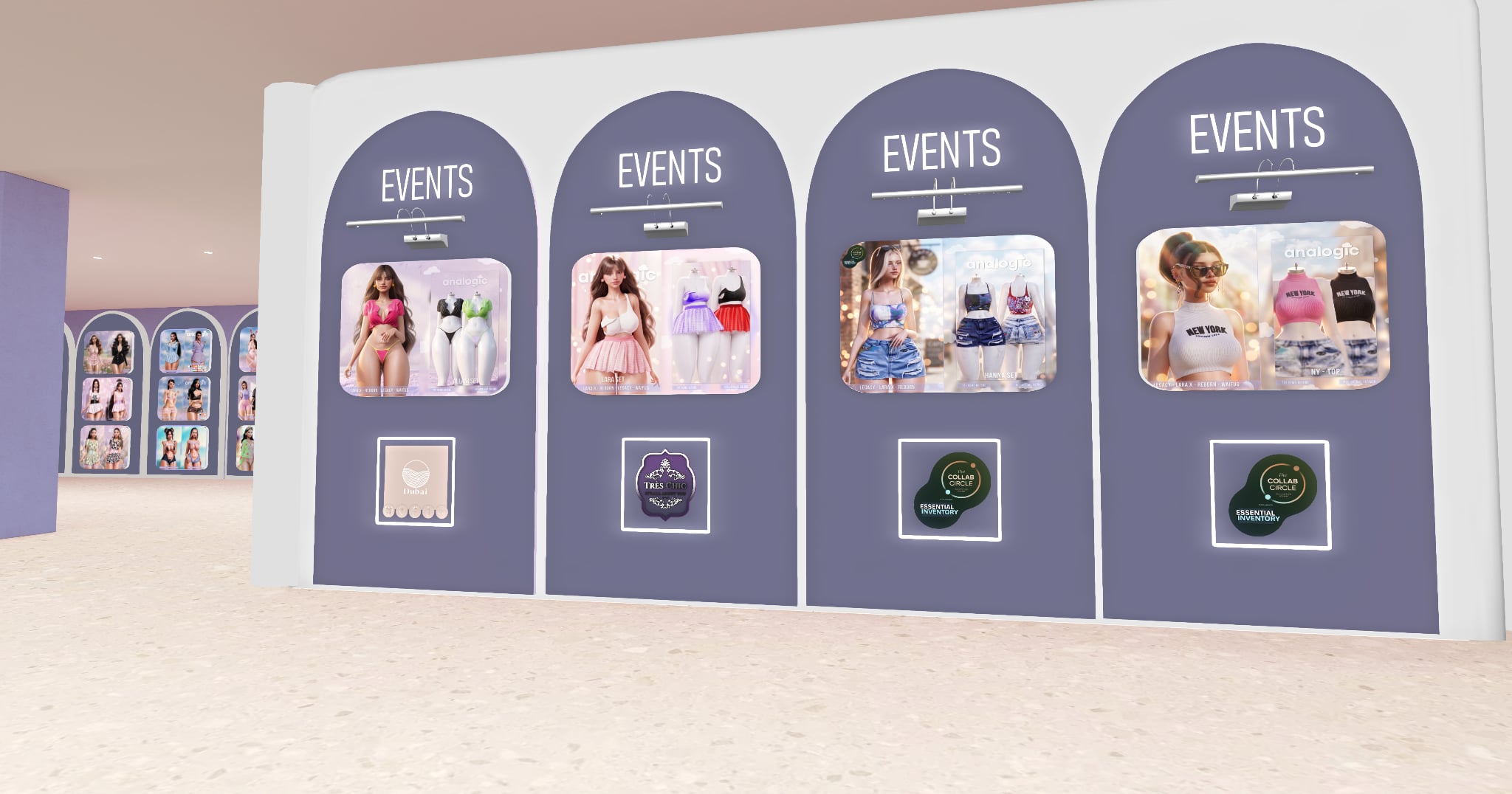
Confirmation that the path was beginning to work came at the first weekend events. The amount of products sold and the value achieved on these occasions showed that there was room for the Analog and that the public was willing to recognize the work done.
Since then, the brand has built its own way into Second Life. Participation in prominent events such as Tres Chic, Dubai and Kinky Event, among other important events of the platform, contributed to broaden its presence and bring it closer to an increasing audience.
Currently, the Analog has five employees and faces a challenge that paradoxically grows along with the market itself: how can it not be just another store?
In a universe where new brands constantly appear and many stores keep releases almost every day, stand out no longer depends only on the amount of products offered. You have to have an ID. We need to create something that will make the consumer recognize the brand before he even looks at the name.
It is precisely at this point that the Analog focuses its efforts.
The creative process often begins with an image: a look, an accessory, a piece that arouses interest. From this reference, the challenge arises of transporting that idea to the virtual environment in the most faithful way possible, seeking to bring it closer to what people use in real life. It's not just about playing a play, it's about interpreting your aesthetics and turning it into an experience within Second Life.
Large market names, such as Addams and Blueberry, also played an important role in this trajectory. Brands that became references within Second Life served as inspiration and helped demonstrate that it was possible to transform creativity into a solid and recognized business.
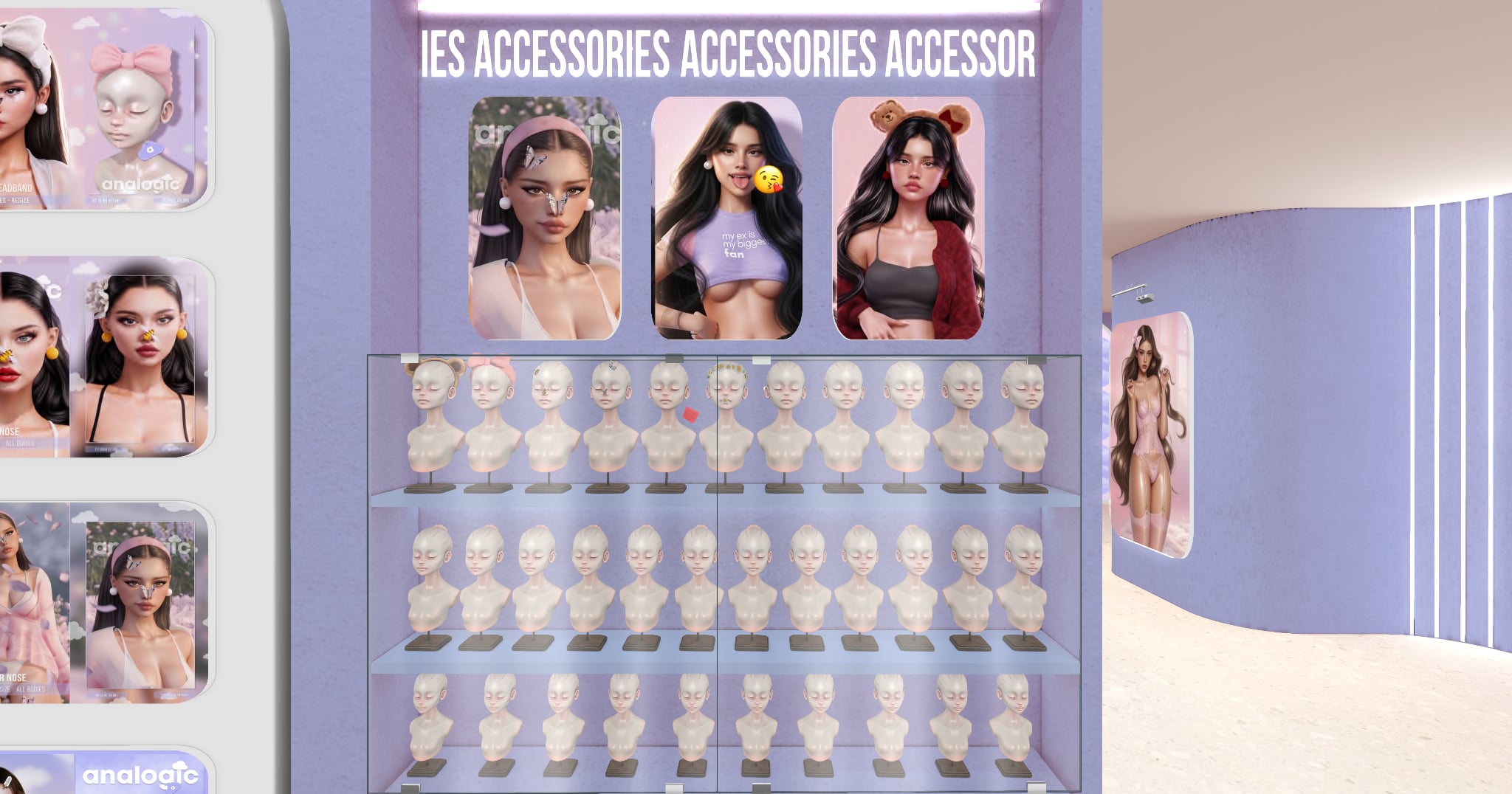
In the end, undertaking in Second Life requires much more than being able to create. It is necessary to understand people, trends, behavior, aesthetics and market. It is necessary to know how to listen to the public without losing their identity. And above all, it is necessary to persist.
For Analogic, all this effort finds its reward when products cease to be only digital creations and become part of the experience of the residents themselves — when the piece appears in an avatar, it makes up a look and comes to life within that universe.
And there is another factor that makes this trajectory especially significant: the possibility of transforming creativity into real financial return.
After five years, the question as to whether all this work is worth it seems to have a very clear answer. Okay.
It is worth the recognition, the results, the possibility of creating and, mainly, the satisfaction of looking back and realizing that that initial desire to prove its potential has turned into a brand.
The Analog was born of the desire to be different. And it may be just this restlessness — the refusal to simply follow what everyone is doing — that remains their greatest strength.
In an increasingly competitive market, remaining relevant can be difficult. Staying authentic can be even more. And it's in this constant search for the difference that Analogic continues to build its history in Second Life.
