Virtual hearts at Piseiro
Let's meet a band that is innovating in the musical strand Piseiro in SL
Automatically translated from the original.
VIRTUAL HEARTS IN THE PISEUM
The piseiro, also known as the trampinha, is an accelerated strand of electronic forró that emerged in the interior of Bahia in the 2000s. Characterized by replacing large bands with voice and electronic keyboard, the rhythm exploded nationally from 2019 onwards, driven by social networks and walls.
In SL it could not be dufferent, rhythms spread through clubs in a massive and with a lot of diversity. Singing bands solos and DJs always innovate with their sounds and update the parties... Let's meet the band Virtual Hearts that comes with a new and revolutionary proposal in SL...
Virtual Hearts: the band that was born of poetry, has come to life in technology and wants to conquer Second Life
Inside Second Life, where avatars dance, DJs move clues and creativity has no limit, a project that combines Brazilian music, emotion, technology and virtual identity: Virtual Hearts comes up.
But you're wrong who thinks that story has just begun, with artificial intelligence, digital platforms or virtual characters. The root of the project comes from much earlier. It comes from an 11-year-old boy writing poetry.
Between the age of 11 and 20, the creator of the Virtual Hearts Project wrote more than 400 poems. There already existed an internal world pulsing, an attempt to translate feelings, pain, desires, romanticism, conflicts and perceptions of life into words. At the time, maybe that still didn't have a name, form, or stage. But there was already a seed.
Years later, this seed found technology, music, and the virtual universe. And then the Virtual Hearts project was born.
The project began to take shape in July 2023, when its creator began researching equipment, technology, hardware and tools capable of transforming an artistic idea into something real, accessible and original. The intention was never simply to copy what already existed. It was to create something new from old feelings, using technology as a bridge — not as a substitute for the human soul.
The choice forró through the pop and the piseiro was not by chance. The goal was to get close to people. To make a song that didn't require complicated explanation, that wasn't closed in niche, or distant from the public. The proposal was simple and powerful: creating songs that people understood with their hearts, not just with their brains.
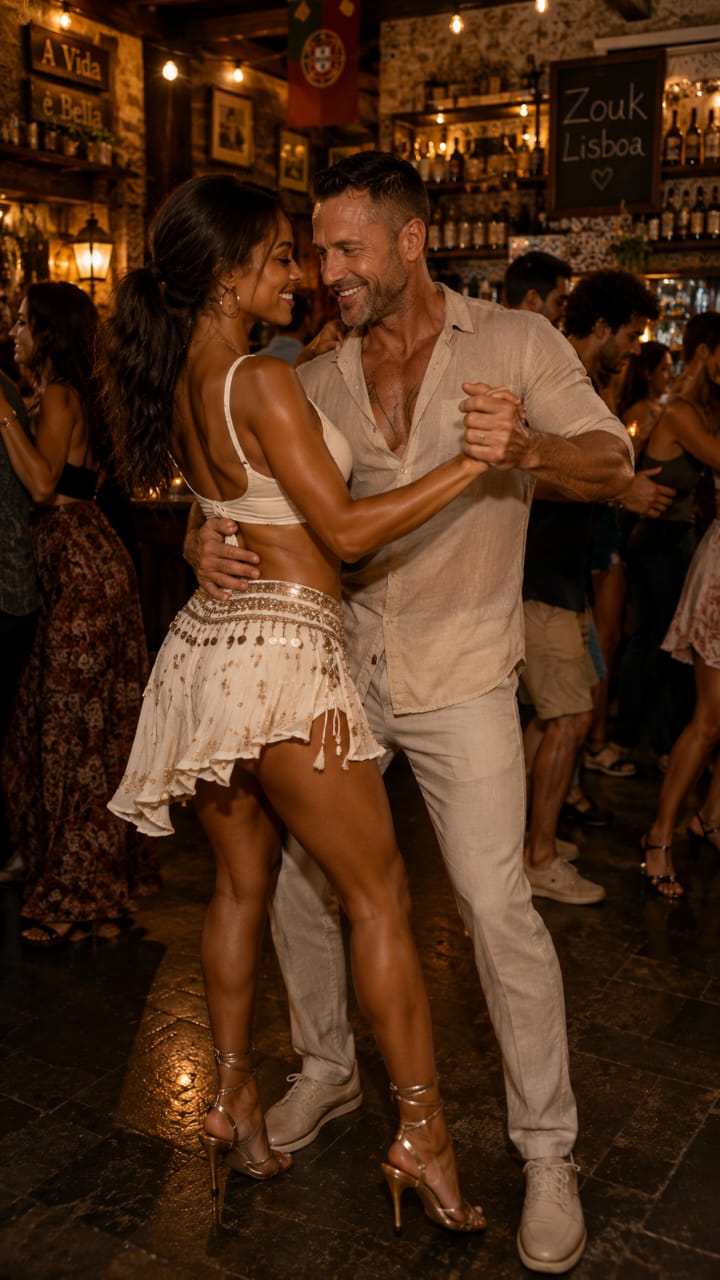
The troll, as a modern variation of the forró, opened this path. With engaging beats, the possibility of broader instrumentation and popular energy, it became the perfect territory for the project Virtual Hearts to talk about real feelings in a direct, dance and Brazilian way.
The band is composed of four virtual characters: André, Bia, Athena and Carlos. Each has his own personality, his own way of communicating, his own artistic life and his own relationship with the public. They are not just “digital faces”. They are characters built with script, emotion, aesthetics, voice, identity and presence.
And here's an important point: although technology is part of the process, the heart of the project remains human. The lyrics are born of poetry, feelings and real experiences. The script is human. The intention is human. Emotion comes before the machine.
Technology enters as a production tool, as a studio, as an expanded stage. Melodies are created with samples, MIDI, digital synthesizers, voice-own systems, mastering and remastering for digital media. But each composition goes through care, time and artistic direction. According to the creator, a song can take about two weeks to finish, after it is done.
Within Second Life, the band Virtual Hearts has already started circulating through tracks and homes through DJs who embraced the project. The band has not officially performed in their own concert format within the SL, but their songs have already been played on several islands and events. One of the highlights is DJ Sula, who has taken the sound of the project to different places, helping to present this proposal to new audiences.
And it makes sense. Second Life has a very particular relationship with music. Unlike a traditional show, where someone sits and just listens, in SL music moves the avatars. People want to dance, interact, be present, live the experience. So music with more beat, energy and rhythm ends up working very well in this environment.
The sertanejo, forró and the trampling themselves gain a special force in this context, especially when they receive electronic elements, remastering and faster beats. It's a song that talks to the body, the track, the avatar and the emotion of the person behind the screen.
About the music market within Second Life, the creator of Virtual Hearts sees a scenario full of possibilities, but still little explored for original bands created within the virtual environment itself. There are DJs, live singers, independent artists and performances inspired by real-life bands. But copyright projects with their own virtual characters, Brazilian musical identity and narrative construction are still rare.
So he doesn't exactly see direct competition. What exists is an open field. A space still in formation. A market that can grow if the public starts to consume, disseminate and connect with artists who are born within this virtual reality.
But not everything is simple. One of the biggest challenges of the Virtual Hearts is precisely to be a virtual project in a time when many people still look suspiciously at everything that involves artificial intelligence. And that mistrust didn't just come out of nowhere. The massive, cold and industrialized use of AI in music and content created a natural resistance in the public.
Only the Virtual Hearts try to go another way. The proposal is not to generate mass music. It's not creating disposable content. It's not replacing feeling with algorithm. It is to use technology to shape an art that already existed before, in poetry, in the emotions and life history of the person who created the project.
The big mission now is to show that virtual can also thrill. Which digital characters can also carry narratives. That a music created with technological support can still be born of true feelings. That Second Life can be not only a space for parties and meetings, but also a stage for new art forms.
In the end, the name of the band says a lot: Virtual Hearts.
Because the project is virtual in form, but wants to remain human in essence. It's music to dance to, but also to feel. It's technology, but also poetry. It is sertanejo, piseiro, forró, avatar, character, narrative, digital stage and Brazilian emotion mixed in a proposal that is still beginning, but it already shows that there is something different going on.
And maybe that's exactly what makes the Virtual Hearts so interesting: it doesn't try to hide that it's virtual. He takes over. But it makes it clear that behind every voice, every character and every song, there is still a beating heart.
And the reception inside Second Life has been very significant. It wasn't a sudden explosion, like the ones that happen overnight, but there was no rejection either. On the contrary: the Virtual Hearts has been gradually finding its space, organically, truly and very consistent with the project proposal.
The goal was never just to be touched at a party or on a track. The goal has always been to touch hearts. And that makes all the difference.
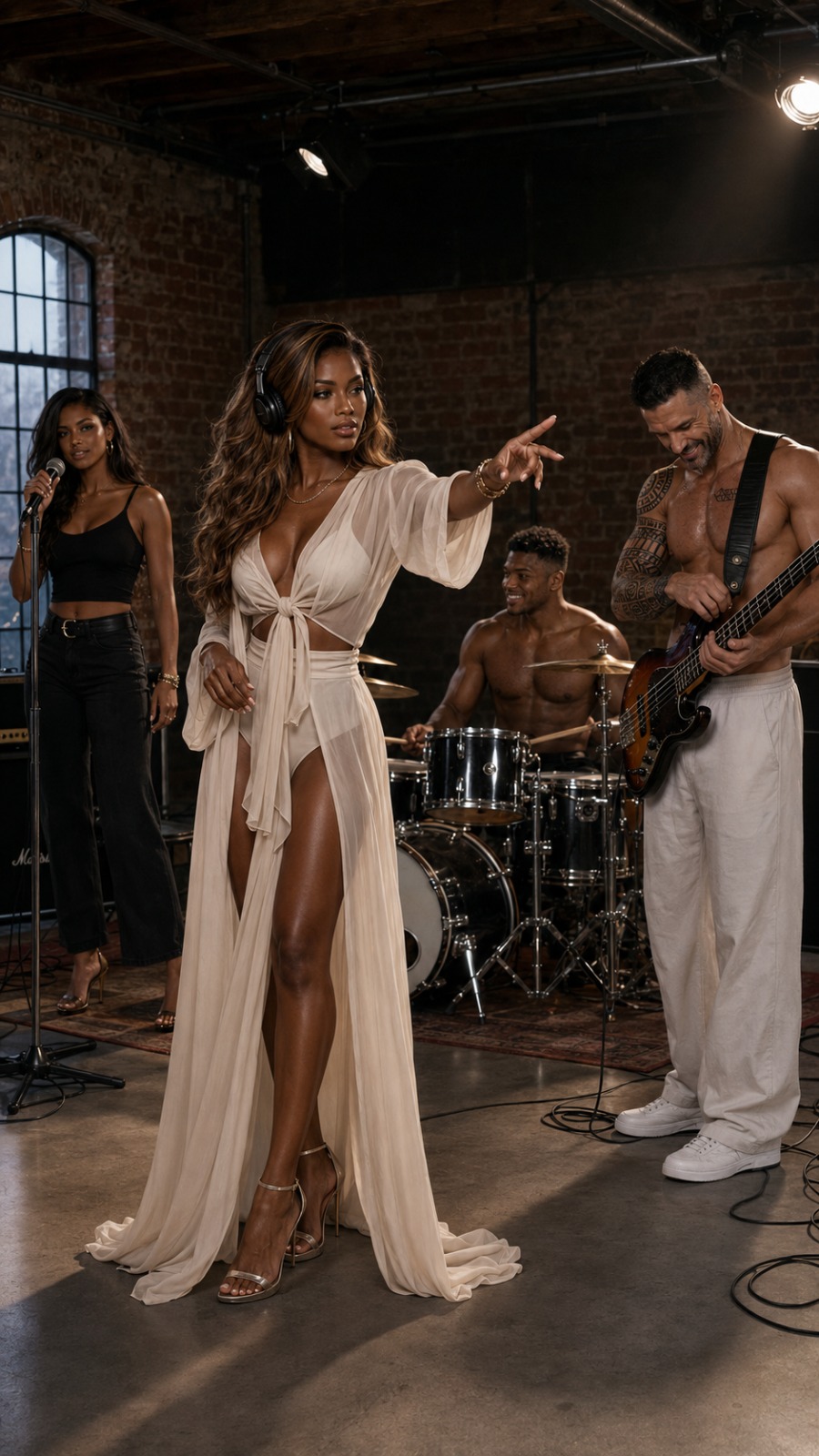
Within Second Life, there is a musical dynamic of its own. People want to dance, interact, move their avatars, participate in the energy of the environment. So music with higher BPM, faster beats and a more electronic footprint usually work better on the tracks. The songs of the Virtual Hearts have another proposal: they are more sentimental, more narratives, closer to emotion than to electronic explosion.
That makes some people inside the SL more punctually. But something very interesting began to happen: people who met the band inside Second Life began to listen to the songs in real life as well. And that's a very strong signal. Because when a song comes off the virtual track and follows someone out of there, in the day to day, it stops being just entertainment and starts to become a connection.
For the next few months, the project enters an important phase of reconstruction and technical evolution. After problems in the programming process and difficulties with backup, significant part of the work needed to be remade. This process has been going on for more than two months, focusing on reorganizing the technical base, improving the software used in production and creating more stable conditions for the next phase of the band.
At the same time, the Virtual Hearts is carefully observing how people react to music. Not only by direct feedback, but also by behavior, listening, approach and the way each song meets its audience. The idea is to better understand which musical paths make people feel closer to the band.
This is an essential point, because the project also needs to overcome a barrier: prejudice against art made with support of artificial intelligence. And this approach to the public is just one of the ways to show that, in the case of Virtual Hearts, technology is not there to replace feeling. She's there to help shape feelings that were already there.
Among the news, a new song is already in development. She has a very special story: it was written initially when the author was only 11 years old. The lyrics are already closed, the melody is ready and the work is now concentrated on the instrumental part. The forecast is that it will be launched next month.
And the expectation is great, because this new song should bring a more dancing sound, closer to people and more connected to what the Second Life audience also likes to live: emotion, rhythm and presence.
For those who do not know the Virtual Hearts, the invitation is simple: know the characters. Meet André, Bia, Athena and Carlos. Follow your social networks, your stories, your voices and your different ways of expressing yourself. They weren't born out of nowhere. They are the result of an experience within Second Life that has come since about 2009.
In a way, these characters carry a little of everyone who lives or has already lived this virtual universe intensely. They were created from experiences, coexistences, emotions and relationships built over the years within the SL. So there is a reflection of their own community.
Virtual Hearts is present on the main platforms, but the most important at this time is not financial return. The priority is to create a listening base that really feels played by the songs.
Because when someone listens to a song and thinks “it speaks of me”, the project fulfilled its function.
And maybe that's where the most beautiful force in the Virtual Hearts is: it's not a band created just to play. It's a band created to meet people. To turn ancient poetry into new music. To make virtual characters carry real feelings. To remember that even in a digital world, what matters most is what can get through the screen and reach the heart.
The main mission of the Virtual Hearts is very clear: to show that feelings need to be treated with care, respect and quality.
For the project, music should not be just an automatic stimulus, made to generate frenzy or fast consumption. Music is art. And art must provoke. You have to play. You need to make a person recognize, approach, question or even disagree with what you are hearing.
The Virtual Hearts are born exactly from this place: from the idea that feelings deserve attention. They should not be pushed into an accelerated pace of life, nor treated as something disposable. Each song tries to carry this proposal of respect for what it feels like.
Among the songs of the band, “Tum Tum” may be the one that best represents this essence. The name itself already speaks the language of the heart. “Tum Tum” is almost a sound translation of what pulses within us. Perhaps this is, in fact, the official language of the Virtual Hearts: the heartbeat.
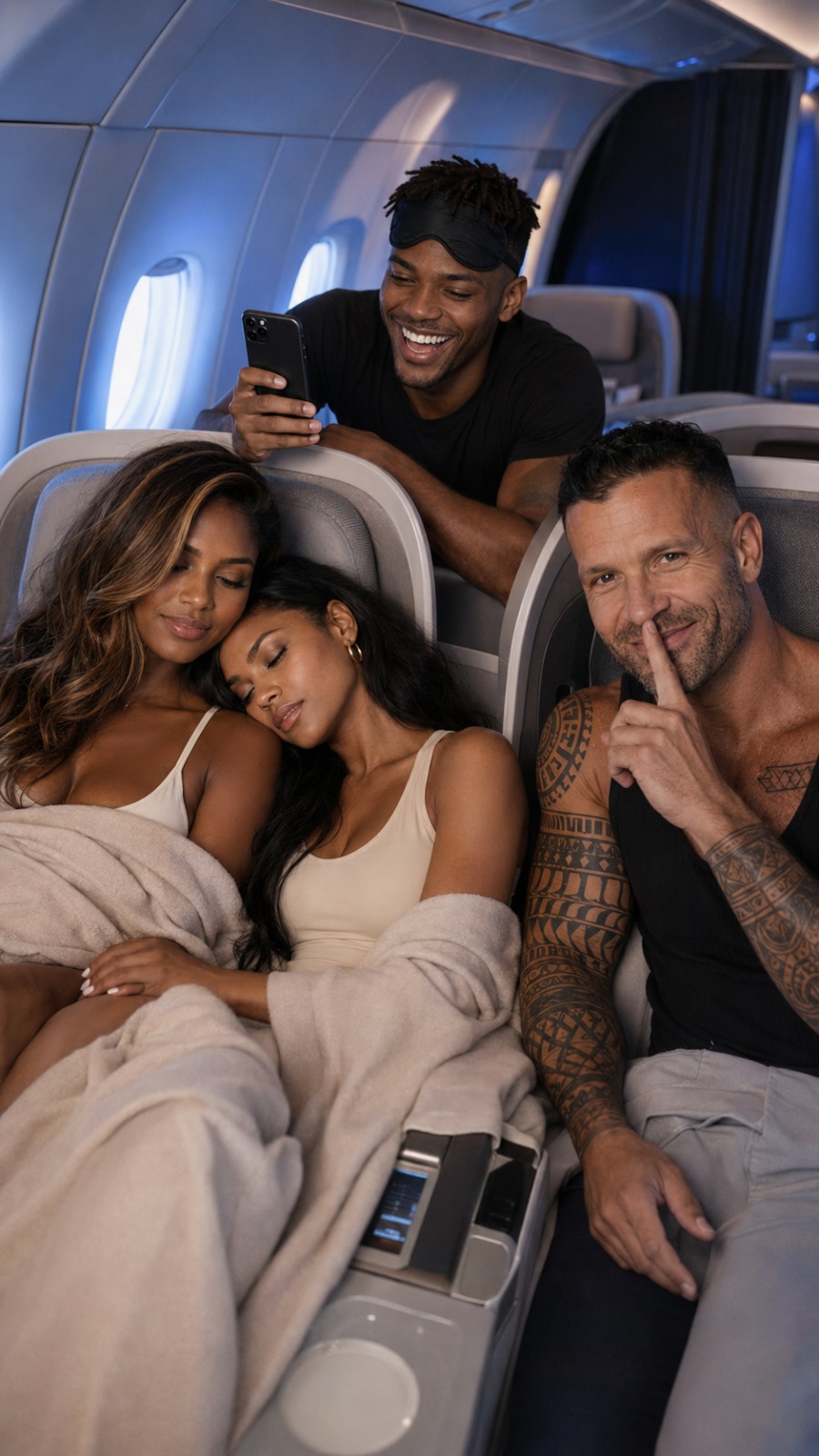
The song “Just You” appears as one of the most played and most requested by the public. It is a song that has managed to create a more direct connection with listeners, becoming one of the gateways for those who get to know the work of the band.
And part of the strength of the project is also in the four members, each with a very own personality.
André is the most mature in the band. Of course, he was taking a leading position. Charismatic, experienced and observant, he has a deeper view of human nature and the feelings that move people.
Bia unites experience, self-control and intelligence. She is highly intellectual in her processes, but at the same time has a very thorough sensory perception of the world around. He's a character who thinks, feels and observes intensely.
Athena, she's understanding, patient and very conscious of her own path. She doesn't need applause to validate what she does. It doesn't depend on other people's approval to know when you're delivering something real. You have a very strong sense of what you consider right and wrong.
Carlos is the band's paradox. He carries a complex, sophisticated and, at the same time, rustic personality. This mix makes him an unpredictable, interesting, layered character.
For those who want to know the Virtual Hearts, the band is available on Spotify, YouTube and on the main audio platforms on the internet. The invitation is to listen without haste, meet the characters and allow the songs to do what the project wants most: to find people through feelings.
Because, in the end, the band Virtual Hearts doesn't just want to be heard. You want to be felt!